Wheat Flour (Aata) Prices in Pakistan – 2026 Update
Introduction
Aata (flour) Pakistan ke har family ki basic zaroorat hai. It is used for roti, naan and bakery items everyday so it i quite necessary to keep its price updated. Today in this article we are going to provides you complete detail about latest prices of aata in Pakistan according to 23 March 2026, rates according to different cities and brands.
This post aims to provide you with an accurate and up-to-date information so that you can make the best choice within your budget.
🟢 Aata Price in Pakistan (March 2026)
Pakistan mein aaj ke din aata ki kema tarakki shehar aur quality ke mutabiq hain. Below are the updated prices:
Aata TypeWeightPrice (PKR)
Karachi
- 1 kg: 150 – 170 PKR
- 20 kg bag: 3000 – 3200 PKR
Lahore
- 1 kg: 140 – 160 PKR
- 20 kg bag: 2900 – 3100 PKR
Islamabad
- 1 kg: 150 – 170 PKR
- 20 kg bag: 3000 – 3200 PKR
Peshawar
- 1 kg: 145 – 165 PKR
- 20 kg bag: 2900 – 3100 PKR
Quetta
20 kg bag: 3100 – 3300 PKR
1 kg: 155 – 180 PKR
👉 Note: Prices daily change hoti hain (supply & demand ke hisaab se)
🟢 Pakistan Aata Different Types
There are different types of flour, available in Pakistan:
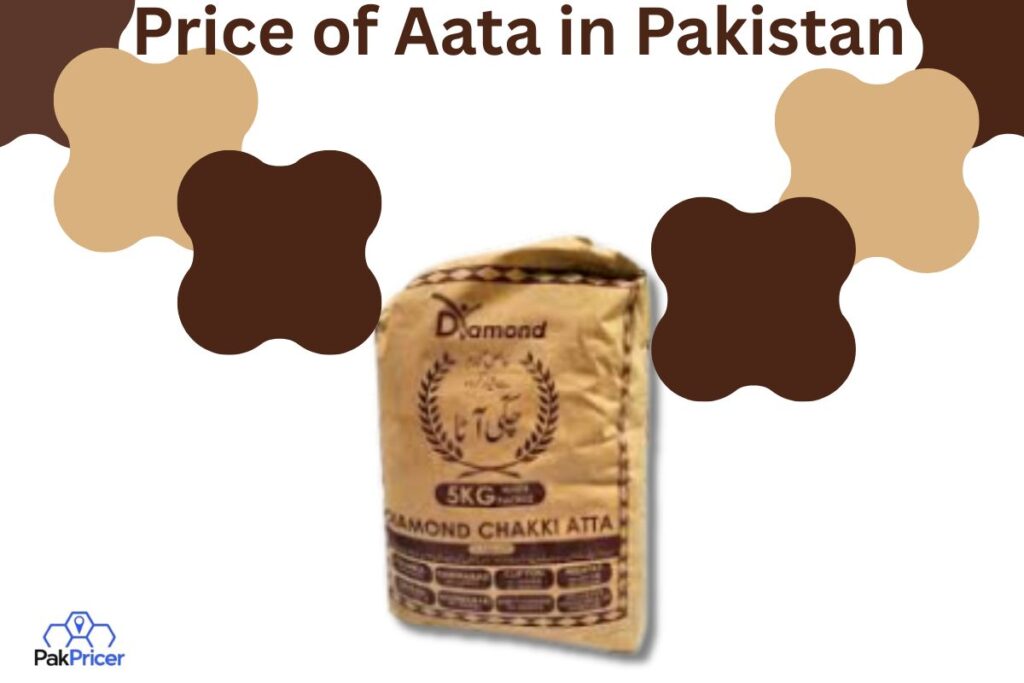
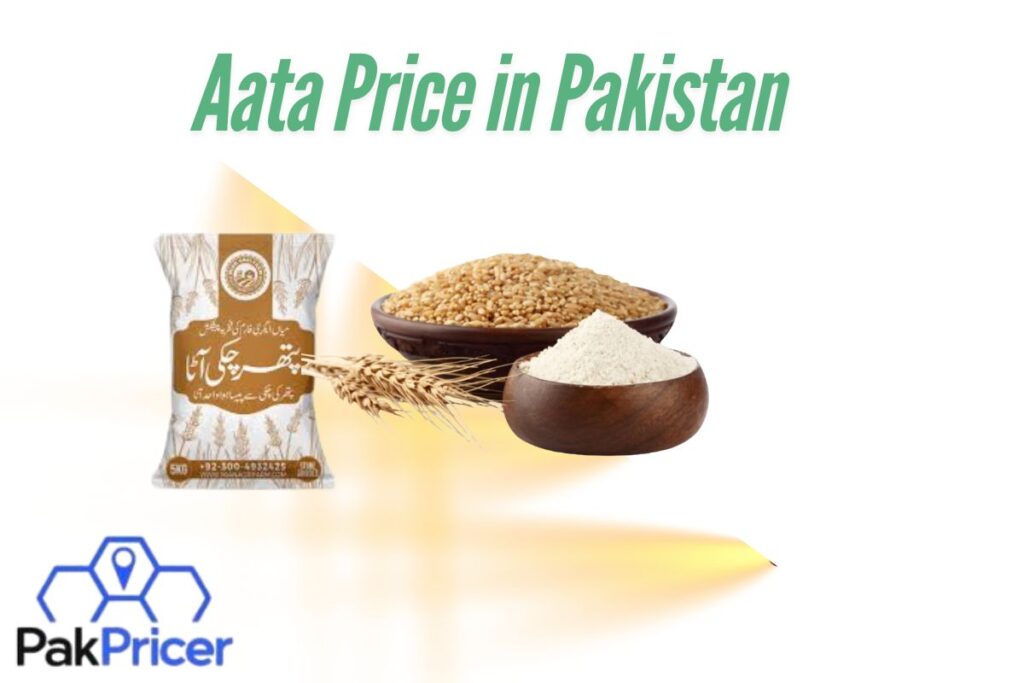
Chakki Aata
Ye is traditional method se bana hota hai aur kaafi healthy bhi.
👉 Price bit higher but quality is at its best
Maida (Fine Flour)
Ye kya hota hai bakery mouse items ke liye use hota hai jaise:
Cakes
Biscuits
Naan
Whole Wheat Aata
This can help increase fiber and often is better for health.
a. Wheat price surge & supply issues
The price of raw Wheat, the primary raw material, is a major factor in determining flour prices. Early 2026:
- In many markets, wheat was selling between PKR 3600 and PKR 4700 per 40 kg.
- Wheat is now scarcer in local mills due to changes in government policy, such as revised release strategies, reduced quotas and revised release strategies for chakki owner.
Mills increase atta prices when wheat costs or availability becomes difficult.
b. Inflation & Food Price Indexes Trends
In recent years, Pakistan’s inflation rate – and especially its food inflation – has been on the rise. This puts pressure on staple goods.
- The price of flour has risen across the country and occasionally reached record-highs.
- The inflation in Pakistan is a result of multiple macroeconomic forces, including the depreciation of the currency, increased transportation costs, as well as rising energy prices.
c. Transport Costs & Regional Supply Constraints
Prices vary regionally because of logistics issues.
- Price spikes in some areas, such as parts of Khyber Pakhtunkhwa or the northern regions have been caused by supply disruptions.
- Transporting wheat from the production zone (e.g. Punjab harvest region) to mills and markets affects the final cost per kg that consumers pay.
4. Prices Vary by City
Due to the fact that Pakistan’s markets aren’t fully centralized, prices of flour vary by region.
Punjab & Major Urban Centers
- Lahore : PKR 2400 for a bag of 20 kg
- Multan: ~PKR 2,398.
🟢Most selling Aata brands in Pakistan
There are some famous brands in Pakistan also who provide packaged aata:
Ashrafi Flour
Sunridge Aata
Bake Parlor
Punjab Chakki Aata
👉 And the prices of these brands are a little over loose powder
5. Different types of Atta and their prices
Wheat flour does not all have the same price. Prices vary depending on:
Fine Atta vs Chakk Atta
- Fine Flour (Standard). Typically slightly less expensive per kg than premium Chakki flour.
- Chakki Atta (stone ground traditional variety) is often sold at a higher cost due to consumer perceptions of quality and preferences for processing.
The market data for 2024-2026 shows that these varieties are more widely spread, especially in the retail markets.
6. Government Subsidies & Price Notifications
In order to reduce inflation, provinces have tried to set official prices for flour and wheat on several occasions.
- In certain regions, officials have set prices for bags of 10kg or 20kg flour (e.g. PKR 905 for a 10kg bag and PKR 1810 for a bag of 20kg ).
- Market forces can, however, push the actual retail price above the notified rates because of shortages in supply or hoarding.
7. Cost of Living & Consumer Impact
Increases in the atta rate affect households in different ways.
Increased Daily Food Costs
- Even a small increase in PKR50-100 per kg could add 1,000-2,000+ per month to food costs for a family who consumes 20-40kg of flour each month.
Inflationary ripple effects
- As flour is the basis of many foods, an increase in atta price Pakistan-wide will directly affect bread, bakery products, and other wheat based products.
8. Market Trends and Predictions 2026-2027
Food analysts and agricultural economists monitor several key indicators.
Potential Price Stabilization
Prices could moderate or stabilize if wheat production increases and supply constraints ease.
Supply Chain Improvements
Prices may be slowed down by better logistics and government policies that support them (e.g. grain reserves, targeted subsidy).
Global Commodity Influences
The export-import dynamics of the Pakistani flour market may be indirectly affected by global wheat prices (e.g. trading data that shows wheat at more than $500 per bushel early in 2026).
Tips to Save Money on Aata
If you want to keep your budget in check:
✔ Bulk mein aata khareedein
✔ Local chakki se buy karein
✔ Check offers aur discounts
Conclusion
Aata Pakistan ka sab se zyada khaaye janey wala khoraak hain, isLye itne waqt tarikh karna zaroori hain. Ab 23 March 2026 keh mutabiq aata ki prices 140 se leker 180 PKR per kg hain aur AATAY ka bag yani Dear AATA jisey hum burger kehatey hain wo bag for approximately 2,800 -3,200 RS ke chalay gaye.
Prices kabhi bhi badal sakti hain, to hamesha latest update check karein
FAQs
Today what is the rate of sugar in Pakistan?
On an average, hinsa ka controlling rate is between 140 to 180 PKR per kg.
What is the price of 20 kg aata bag?
From 2800 to 3200 PKR (price of a bag of flour)
Sab se acha aata konsa hai?
Note: Chakki aata is considered the most healthy and best